What is a PC? | Brief and concise presentation of Personal Computers
PC, or personal computer, is a term used to describe a computer designed for use by one person at a time. It is a general-purpose device suitable for a wide range of tasks, from basic word processing and web browsing to complex scientific simulations and video editing. In this article, we will explore the history of the PC and principal categories, its components and functionality, and its impact on modern society.
History of the PC
The first personal computer, known as the Altair 8800, was introduced in 1975 by a company called MITS. It was a simple machine that required users to enter commands using a series of switches and lights. The first personal computers to gain widespread popularity were the Apple II and the Commodore PET, both of which were released in 1977.
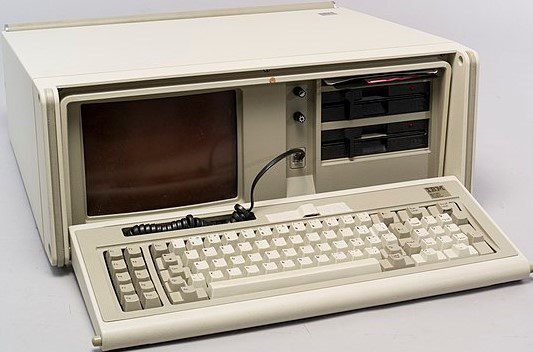
In the 1980s, IBM introduced the IBM PC, which set a standard for personal computers that is still in use today. Over the years, personal computers have become increasingly powerful, smaller, and more affordable. Today, they are a ubiquitous presence in homes, schools, and businesses around the world.
Personal Computer categories
Personal computers (PCs) come in many different shapes, sizes and configurations, each designed for specific needs and purposes. Below, we will explore the various categories of personal computers and their unique features.
Desktop PCs
Desktop PCs are the most traditional type of personal computer. They consist of a tower or box that houses the computer’s components, including the CPU, RAM, storage and other peripherals. A desktop PC typically requires a separate monitor, keyboard and mouse to operate. They are generally more powerful than laptops and offer more customization options. They are also more affordable than other types of personal computers.
Laptop PCs
Laptop PCs, also known as notebooks, are designed for portability. They are smaller and lighter than desktop PCs, and they have a built-in monitor, keyboard, and touchpad or trackpad. Laptops are popular among students, business travelers, and anyone who needs to work on the go. They are less powerful than desktop PCs but offer more convenience and mobility.
All-in-One PCs
All-in-one PCs combine the monitor and computer components into a single device. They are similar in appearance to a desktop computer, but the computer components are integrated into the back of the monitor. This design makes them more compact and space-saving than traditional desktop PCs. All-in-one PCs are typically less powerful than desktop PCs but offer more convenience and less clutter.
Mini PCs
Mini PCs, also known as small form factor PCs, are smaller than traditional desktop PCs but offer similar functionality. They are designed to be compact and space-saving, making them ideal for small offices, home theater systems, and other applications where space is limited. Mini PCs are typically less powerful than desktop PCs but offer similar features and functionality.
Gaming PCs
Gaming PCs are designed specifically for gaming. They offer high-performance hardware, including powerful CPUs, high-end graphics cards, and ample RAM and storage. Gaming PCs are typically more expensive than other types of personal computers, but they offer the best performance for gaming enthusiasts.
Workstations
Workstations are high-end personal computers designed for professional applications such as scientific research, engineering, and video editing. They offer powerful CPUs, high-end graphics cards, and large amounts of RAM and storage. Workstations are for heavy-duty applications and are typically more expensive than other types of personal computers.
Components of a PC
A typical personal computer consists of several key components, including:
Central Processing Unit (CPU): This is the brain of the computer and performs all of the calculations and data processing.
Random Access Memory (RAM): This is the temporary storage that the CPU uses to hold data while it is being processed.
Storage: This can include a hard drive, solid-state drive, or other types of storage devices that hold data and programs.
Input devices: These include a keyboard, mouse, and other peripherals that allow the user to input information into the computer.
Output devices: These include a monitor, speakers, and other peripherals that allow the user to see and hear the output of the computer.
Functionality of a PC
Personal computers are incredibly versatile and suitable for a wide range of tasks. Some common uses of personal computers include:
Productivity: Personal computers are commonly in use for word processing, spreadsheets, and other office tasks.
Communication: Email, video conferencing, and social media are just a few examples of how personal computers are suitable for communication.
Entertainment: Personal computers are also used for entertainment purposes, such as watching movies, playing games, and listening to music.
Education: Personal computers are commonly used in schools and universities for research, writing, and other educational purposes.
Creativity: Personal computers are also suitable for creative pursuits such as graphic design, video editing, and music production.
Impact of the PC on Society
The personal computer has had a significant impact on society, revolutionizing the way we live, work and communicate. Some ways in which the PC has impacted society include:
Increased productivity: The PC has made it possible to work more efficiently, streamlining tasks that would otherwise be time-consuming and labor-intensive.
Global communication: The PC has connected people around the world, making it possible to communicate with others regardless of location.
Access to information: The PC has made it possible to access vast amounts of information, including news, research, and educational resources.
Entertainment: The PC has made it possible to access and enjoy a wide range of entertainment, from movies and TV shows to music and games.
Economic impact: The PC has created numerous job opportunities in fields such as technology, software development, and online marketing.
Conclusion
The personal computer has come a long way since its early days, becoming an indispensable tool for work, communication, and entertainment. With advances in technology, the PC is likely to continue to evolve and adapt to meet the changing needs of society. As it does, it will undoubtedly continue to play a significant role in shaping the way we live, work, and interact with each other.
Continue reading. Gather more information on the matter. Alternatively, find more technology stories here.
Author: PC-GR
The World of Technology