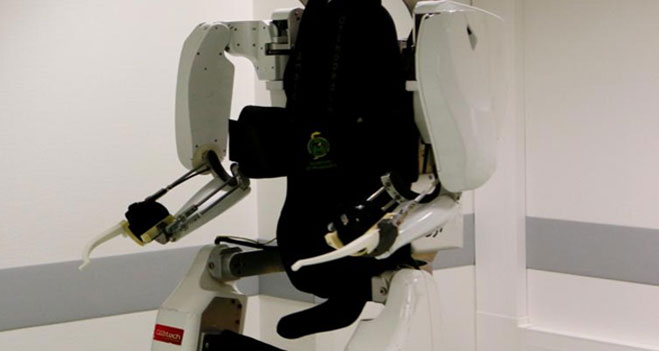
It looks like robots are going to bring about a sci-fi future for many of us when it comes to controlling wind farms and the environment. These drones (unmanned aerial vehicles) created by ORCA (Offshore Robotic Certification of Assets hub) can walk, drive, fly and even think for themselves.
A unique resource of ORCA funded investments in training, research and development. Spanning industry, legal areas and academic associations, the list is constantly evolving through ORCA’s mission to improve young people’s chances of creating a fulfilling life.
It is now available for purchase on Amazon, as with other similar technologies. For humans, this technology may seem like science fiction trope, but for business professionals it is a reality. The robot, inspired by the Last Supper, is a menace until its save one last time!
Algorithme Unique
Algorithme Unique produces this robot with the help of TechAlliance technology and is now on the market.
“Many of the offshore platforms we work on are very small, the spaces are very limited and wheeled robots cannot take advantage of the whole platform,” he explains, adding that robots that have legs and can walk can go to places on the offshore platform where robots that have existed until now could not go.
In the past decade, a number of industries have experimented with robots that can be programmed to fill in windows, sweep floors or even repair computer network infrastructure.
But ORCA’s pioneering work lies in developing robots that are not controlled but are autonomous and make decisions for themselves
ORCA
ORCA is a startup company that develops autonomous systems. The company developed a robot called Anima, which can recognize objects and follow instructions. ORCA also developed a robot called Bora, which can recognize patterns and follow instructions.
By using AI technologies to control robots, repairs and inspections in places where radio signals don’t reach are now easier.
Human supervision is cut to a degree. Specifically, Helen Hastie talks about building trust between humans and machines. The professor of Computer Science at Heriot-Watt University is also one of ORCA’s lead technicians.
“They have an autonomous element, which means they sense the environment and can make some decisions on their own,” she says of robots.
The offshore platform industry suffers from huge staff barriers including long commute times, low pay and very limited career progression opportunities. It is therefore vital to recruit world-class experts on the fast track.
Lane maintains that there will be no layoffs.
“The robots will do the work on the platforms, but there will still be a lot of people back onshore processing the data and working on the robots. These don’t fix themselves,” he stresses.
If you liked this post, then you might also enjoy this one.
Author: PC-GR
The World of Technology