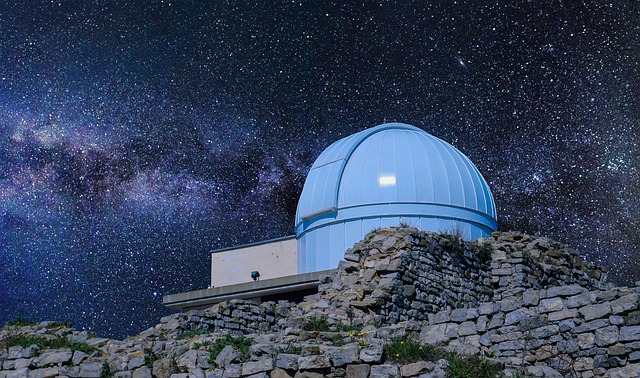
Photo of a star | The Vega Star | Techday, July 17th
The first photograph of a star was taken at Harvard Observatory on this TECHDAY in history, on July 17th 1850. The observatory had the largest northern american telescope at the time. The star in question was Vega of the Lyra constellation, the second brightest Northern Hemisphere star. With the technique of daguerreotype, they had taken the photograph.
Vega is one of the brightest stars in the night sky, and is located in the constellation Lyra. It is a main sequence star of spectral type A0V and is located about 25 light years from Earth. Vega is often used as a standard of zero magnitude, considered one of the brightest stars in the sky. Vega is also popular for its variability in brightness, first noticed in the 19th century. Scientists think this variability derives from starspots on its surface, similar to sunspots on the Sun.
In recent years, Vega has been the target of several space missions, including the Hubble Space Telescope and the James Clerk Maxwell Telescope. These missions have provided detailed images of the star, revealing features such as its surrounding debris disk and companion star.
This was just a snapshot on the presentation of the techday series. Gather more information on the matter. Indulge into the history by further reading more.
Alternatively, find more technology stories. If you found this brief post interesting, then you might also enjoy these ones as well.
Author: PC-GR
The World of Technology