Photographic pliable roll film patent | Techday, September 13th
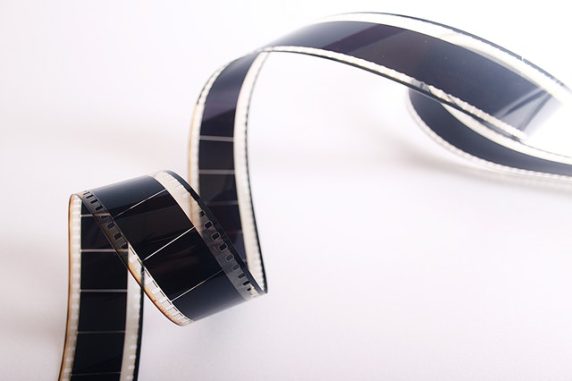
On this TECHDAY in history, on September 13th 1898, Hannibal Williston Goodwin, an Episcopal clergyman and preacher, was granted a patent for his method of making translucent, pliable roll film by using nitrocellulose film base. That material was later used in Thomas Edison’s motion pictures viewing machine, the Kinetoscope. Goodwin’s purpose behind this invention was to create a substance on which he could place and demonstrate images that he used in his Biblical teachings.
The patent also described a method for developing the film after it had been exposed. The roll of film was removed from the camera and then wound onto another spool. The film was then immersed in a series of chemical baths to develop the images. This process was known as “film developing” and was the standard method used for many decades.
Goodwin’s patent had a significant impact on the development of photography, making it more accessible and affordable for people. His invention was later improved upon by other inventors, such as George Eastman, who developed the first commercially successful roll film in 1888.
This was just a snapshot on the presentation of the techday series. Gather more information on the matter. Indulge into the history by further reading more.
Alternatively, find more technology stories. If you found this brief post interesting, then you might also enjoy these ones as well.
Author: PC-GR
The World of Technology